Column 7: Mr. Grisé’s prediction
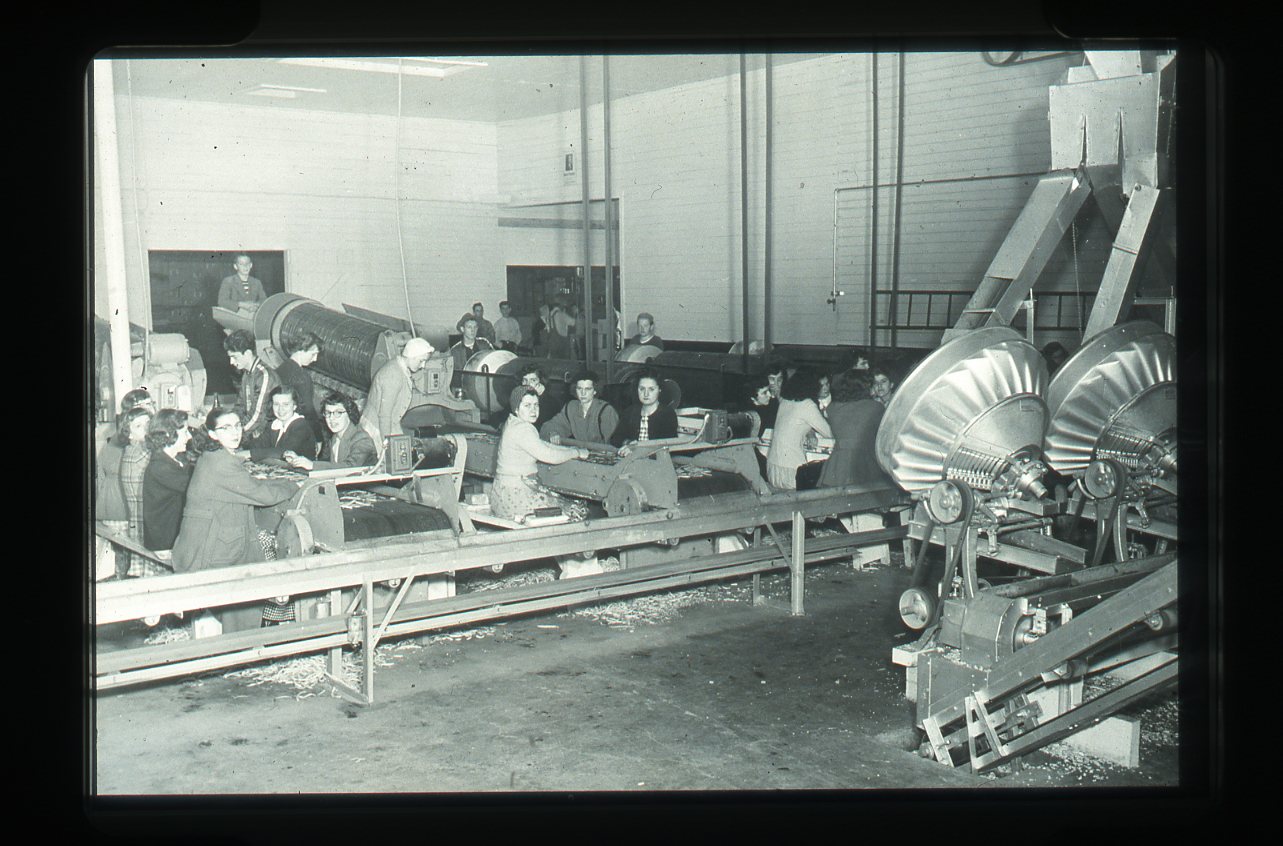
Lassonde’s archives contain a news article from the 1950s in which there is a picture of a group of employees at work. Busy at the tomato sorting and peeling table or the bean sorting table, they had smiles on their faces – and not just for the photo. “I had a lot of fun at the plant with my co-workers,” said Marie-Jeanne Beauregard, a long-time employee, in an interview.
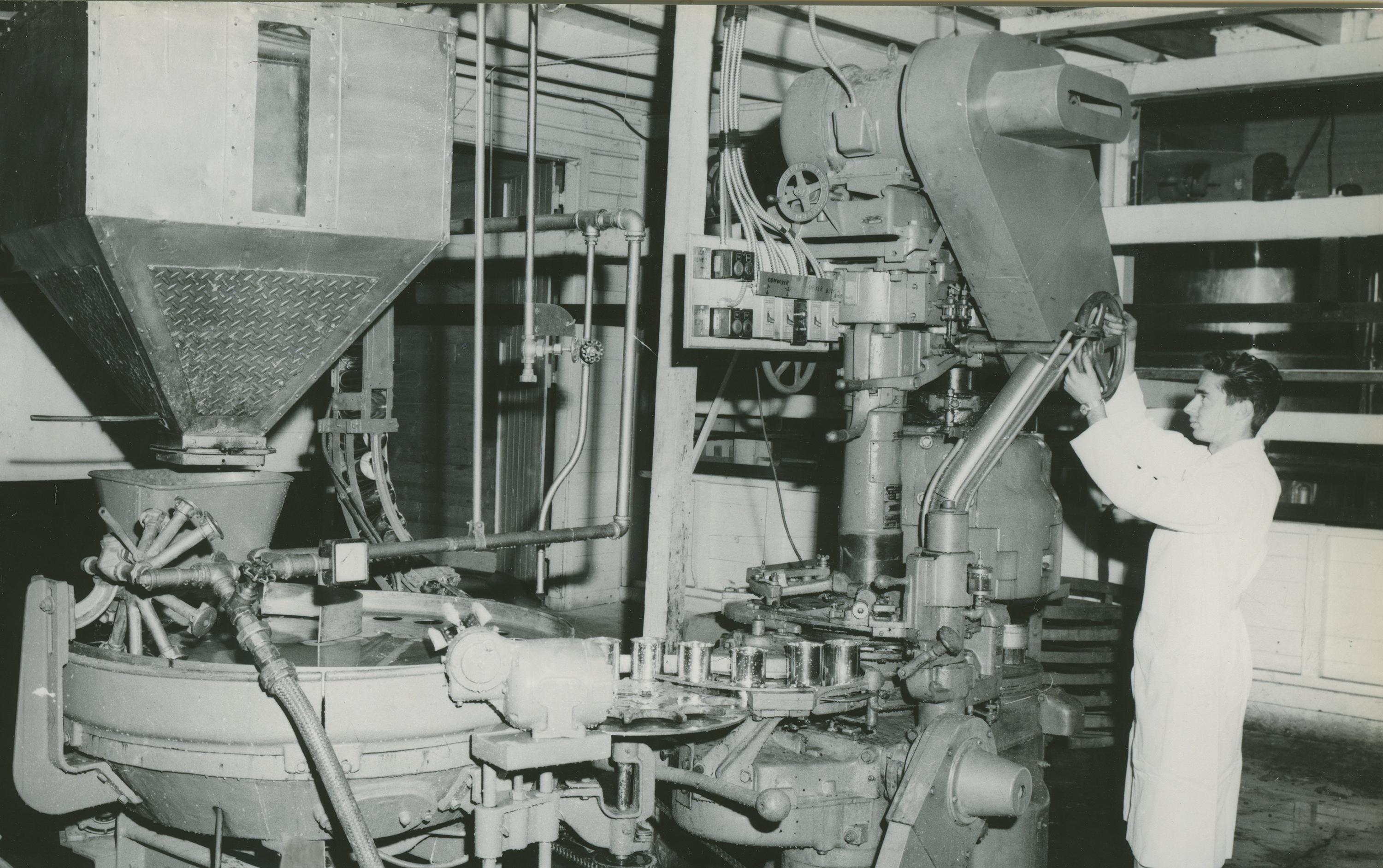
Other photos depict workers operating autoclaves and especially the then brand new automatic seamers. Over the decades Lassonde has moved far beyond the craft production methods of its earlier days, when everything was done by hand with equipment not so different from ordinary household tools. But Aristide Lassonde followed the advice of Mr. Grisé, a civil servant in the provincial agriculture department, who visited the plant in 1921 and quickly understood that the business was doing well. He encouraged Aristide to gradually acquire new machinery, and he predicted a promising future for the entrepreneur. Soon autoclaves replaced the small boilers that were heated from below and hand seamers gave way to semi-automatic machines, which were in turn replaced around 1935 by fully automatic technology. With the Second World War on the horizon, the cannery was ready to help supply the Canadian troops.
From our vantage point today, this “modernization” might seem quaint, but it shows that Lassonde was already eager to find innovative equipment to process and can its products.
Next column: R for Rougemont…