Column 12: A sticky situation
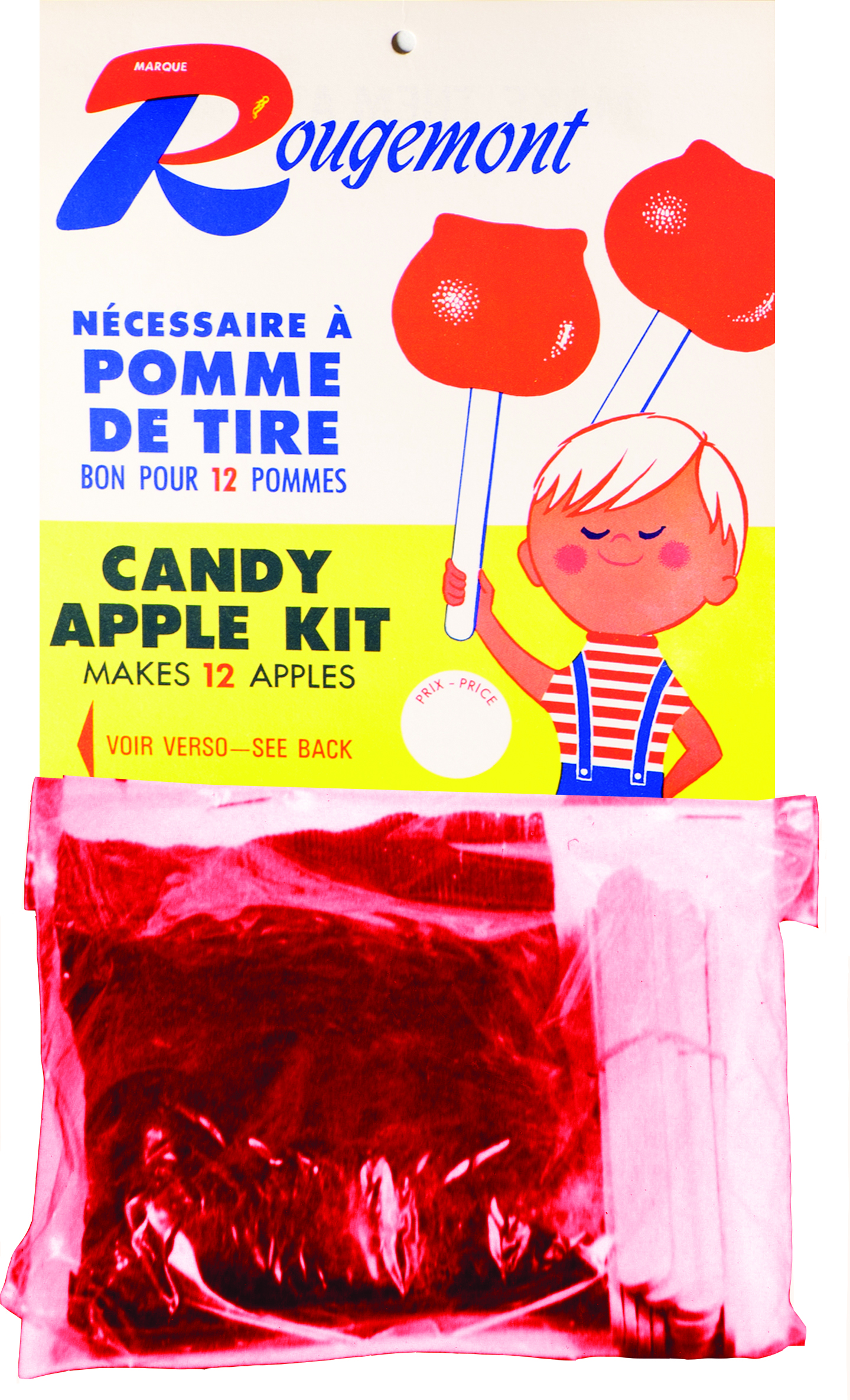
Lassonde was now equipped with the tools to package its products in glass jars and expand its market. The company owned a trademark that would eventually become its star brand and it had several private clients such as Kamerling for which it continued to do bottling. Purchasing Breuvages Montclair had clearly been a good decision. But there remained the question of what to do with one particular asset Lassonde had acquired in the transaction, namely, everything necessary to make candy apples.
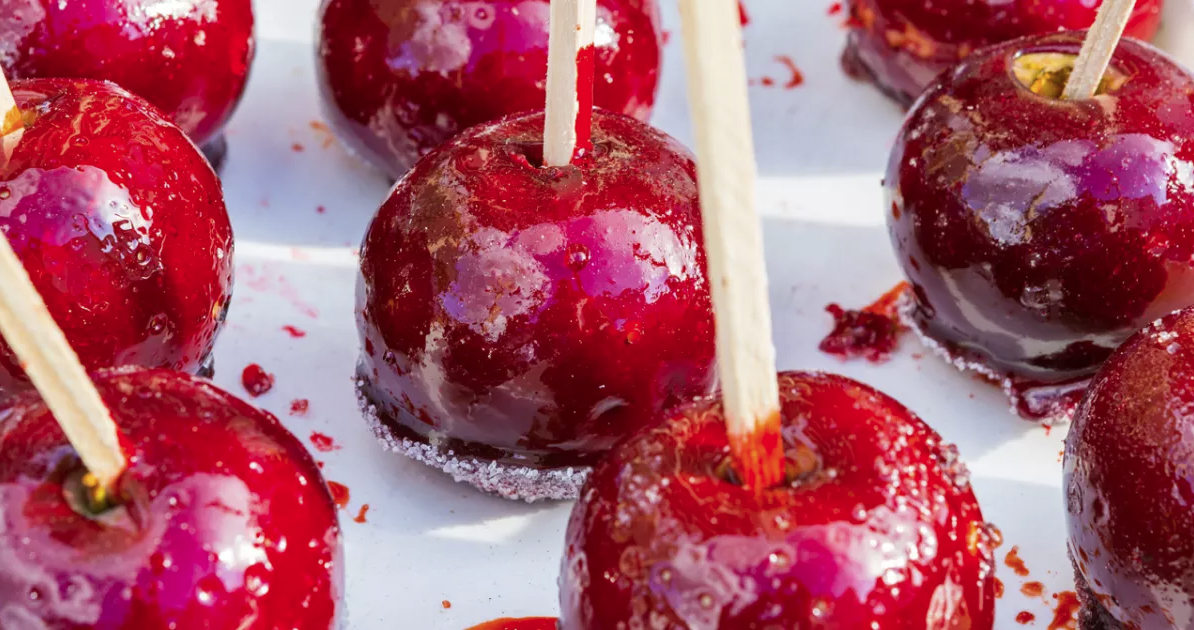
For several years, Lassonde set about producing the candy apples in Rougemont in a warehouse separate from the factory. The recipe for the pommes d’amour (love apples), as they were also called, involved a rather ‘colourful’ production process. This candied treat that could satisfy a sweet tooth and leave you with sticky fingers was manufactured during the summer months.
The recipe for the candy apples included sugar, glucose and a red food colouring in powder form. The ingredients were loaded into a huge mixer that was actually a recycled cement mixer modified to be suitable for food production. You can see it coming, right? As the mixer drum spun around, particles of the mixture dispersed into the air, landing everywhere. When employees who were working at the warehouse for the first time returned home after work and bathed, they found that they turned the water red. The same thing happened when they washed their clothes. But the workers soon found a solution to their problem: they took off their clothes, wearing only their undergarments beneath their white coats, which were far from white by the end of the day!
Next column: Year-round production…