Column 18: Reinventing the container and reviving a brand
First there was metal. Then there was glass. And in 1979, Lassonde revolutionized the market with a completely new type of container.
The spirit of innovation is in Lassonde’s genes. In the late 1970s, a few members of the senior management team went to Paris for the Salon de l’innovation alimentaire (a food innovation tradeshow). There they discovered a technology that had proven itself in Europe. The equipment was French and the process was German. Lassonde bought it, disassembled it, reassembled it, trained its employees to operate it and began producing juice in the famous Hypa containers.
As noted in a press release issued at the time, this new container was a laminate made of polyethylene, paperboard and aluminium. Shipped in rolls, the laminate was formed, filled and sealed at the Rougemont plant. What made it so groundbreaking? It preserved the flavour, colour and vitamin C content of the fruit they contained. It required no refrigeration prior to opening and did not impart any metallic taste.
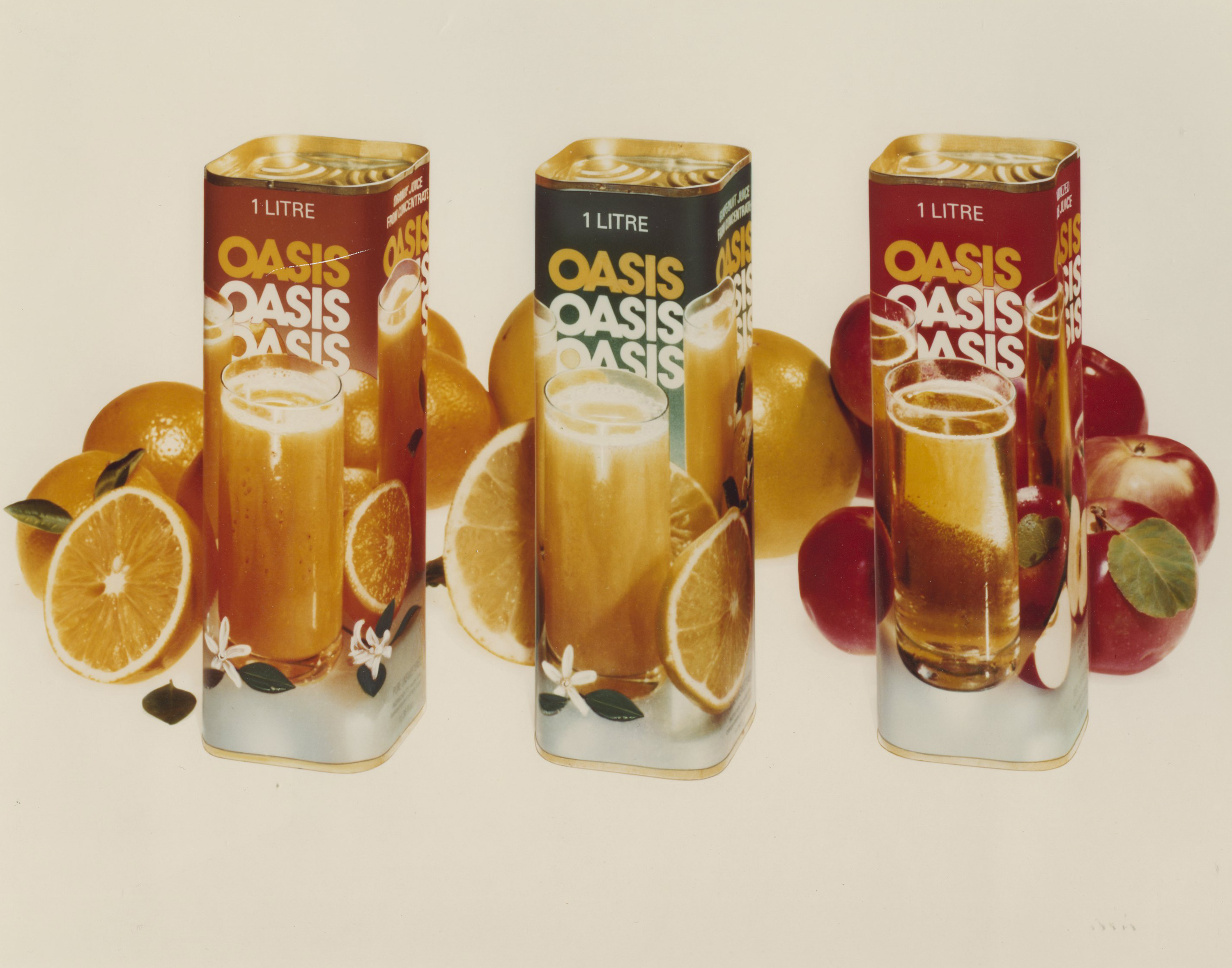
What did Lassonde fill these new containers with? What else but apple juice, of course! But if the name Rougemont naturally evoked apples, it was harder for consumers to make the link between Rougemont and oranges or grapefruit. And so an opportunity arose to relaunch the Oasis brand. The name conjured up the idea of purity and freshness that the container and its content delivered on.
On August 15, 1979, Lassonde launched its Oasis apple, orange and grapefruit juices in a one-litre format. And the rest, as the saying goes, is history.
Next column: Clearly in good taste…